
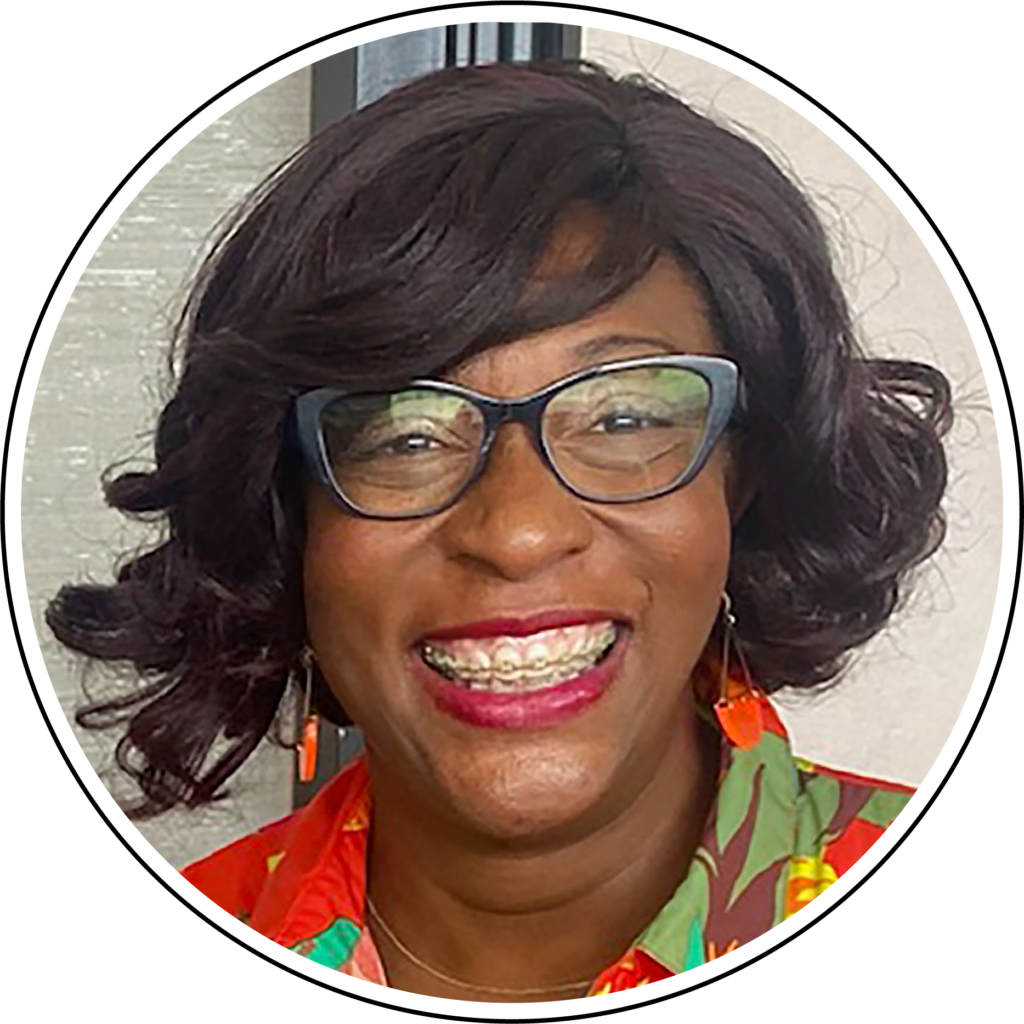
Paula (she/her)
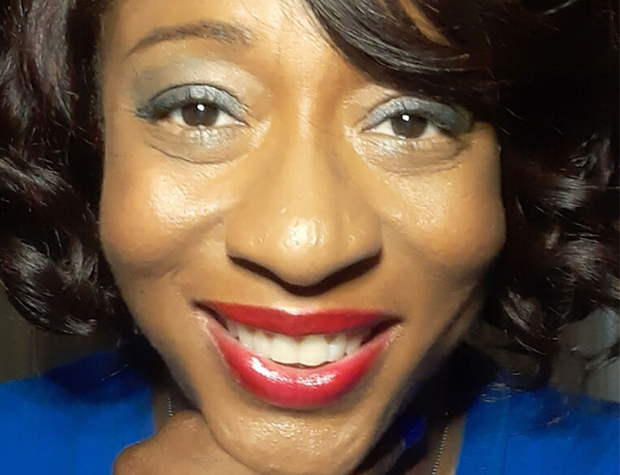
“There was a doctor who straight up told me, 'I think you're going to hell. I can't treat you.' I said, 'Thank you for telling me. I don't want you to treat me.' ”
Paula (she/her)
Denver, CO
When were you first diagnosed and how did that come to be?
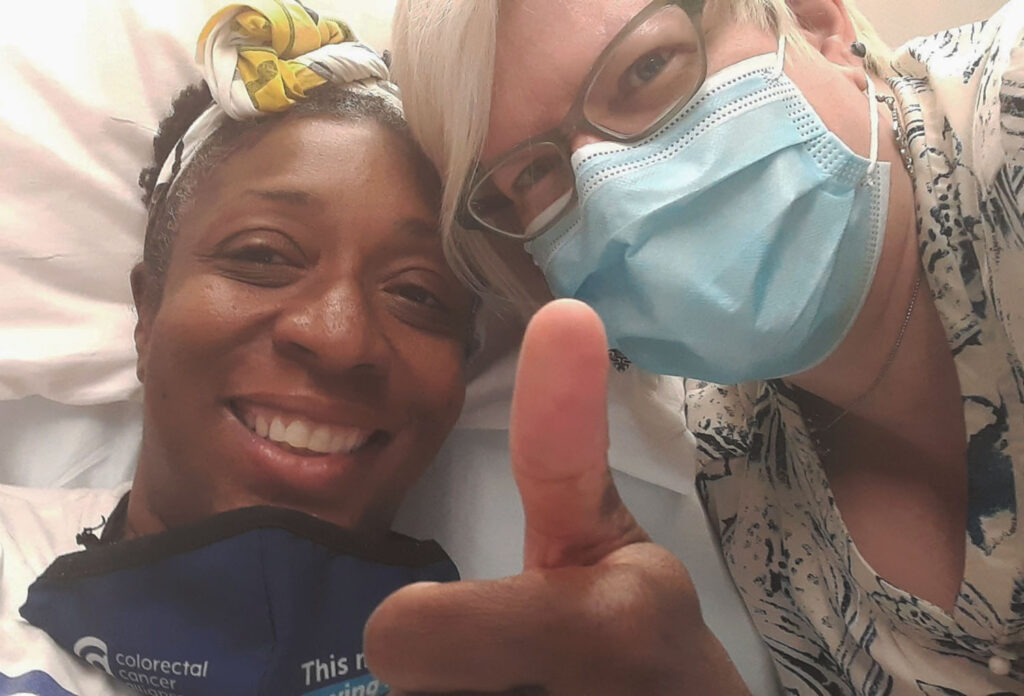
I had been sick for about a year and half before and for sure misdiagnosed which I’ve come to find out is a familiar story. [In 2015] I spent a weekend in absolute torture with pain I’d never felt before. I was completely blocked and nothing was coming out of me, but blood. [My wife and I] went to an urgent care place. They told me I had eaten something red and sent me home with stomach medications. Come that Monday, the pain had become unbearable and I went to the emergency room. I was there for 13 hours and finally seven doctors came into the room. I figured nothing good was going to come from that. They told me I had a massive tumor that had grown outside of the wall of my colon affecting areas of my liver, the surgery was going to take 14 – 16 hours, and they would take out part of my uterus, liver and whatever else they found. I wasn’t going to have a lot of insides when they were done. There was nothing I could say, except “Ok, I want to live.”
Sounds like you didn’t have a lot of options. How did you feel after the surgery?
When I woke up, I noticed the clock and I said to the nurses “I guess, I’m dead” because the time wasn’t what I expected. They laughed and said, “Ms. Chambers, you’re not dead. The surgery was different than what we thought.” I found out I was only in surgery for five hours. It still makes me emotional. My tumor was encapsulated. It was a baseball sized tumor right there for them to grab. They did a full colon resection and took out 36 lymph nodes and I was sewn back up. After I healed was when we started to reassess how I was treated and misdiagnosed.
 Did you ever figure out why you were misdiagnosed?
Having become an advocate and sharing my story and hearing other’s, I realize the series of things that happened to me, happen to a lot of people that look like me and have the same financial situation I was in at the time. I was told I was too young and although my symptoms looked like colorectal cancer [my doctors] never gave me a test. They would ask if I had any family history of colorectal cancer. I only had my mother’s medical history and I’d always say “No”. I hadn’t seen my biological father since I was six years old so I didn’t have that side of my family’s history. They’d always treat me for something else that was stomach related. [Recently] through genetic testing I found some brothers and sisters I didn’t know I had which led to discovering my father’s whole medical history. He had 12 brothers and sisters. All six of the brothers and two sisters passed away from GI cancers or colorectal cancer. So, years later I discovered colorectal cancer is in the family.
Wow. With all you’ve been through how would you describe the healthcare you’ve received?
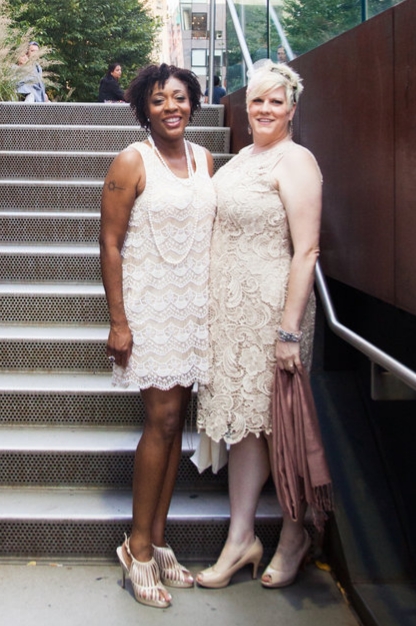
My darling wife, Laura and I have been together 36 years. We’ve been on separate medical journeys. She had health insurance through her job, but [at the time of my diagnosis] I wasn’t able to be on her insurance. I was on public healthcare seeing a primary care physician for mammograms and things like that. If there was ever a lapse in coverage, I would go to the Montrose Center, a local LGBTQ+ center in Houston and they would have health fairs which would supplement going to the county. If you’re in the public system; it’s a teaching hospital. You’re seeing a lot of teaching doctors and nurse practitioners. You never see the same person for a long time.
 We’re your providers sensitive to you being a part of the LGBTQ+ community?
Some respect you’re in a same sex marriage or you’re gay; some don’t. When I would say I was in pain, especially with this colorectal cancer, some providers would say, “You people can take pain. Come on, toughen up.” Just blatant inappropriate things. [There was also] a doctor who sat me down and told me straight up, “I think you’re going to hell. I can’t treat you.” I said, “Thank you for telling me. I don’t want you to treat me.” (laughs) Unfortunately, you kinda get used to it. Sad but true. I was always just kind of taking my chances.
How has your wife been through this process?
My wife has been amazing and I’m blessed by that, but this took her by storm too. She’s the quiet one. I’m the gregarious one. I don’t know if you can tell or not (laughs). I am not shy. My wife is Caucasian and we’ve been together a long time and she’s seen how I’ve been treated in the system. She’s been the one that had to call the nurse because of ridiculous things. She started learning terms and researching. She dug in. But it changed our relationship. You’re medically monitored for years when you have a cancer diagnosis and you can forget to turn that [caregiver] role off. We’re almost seven years out from my original diagnosis, but we’re so busy trying to make sure I’m okay with appointments, medication and this and that. We kind of stopped having fun. Our relationship started becoming patient and nurse. We’re working on trying to bring the partner and friend back into the situation.
 So it’s fair to say cancer changed your sex life?
Most definitely. Wow, yes, it did. We had a year where we did not have sex. The scars. I had to get used to them. I had to get used to the way my body was functioning. There’s medication. I have bowel and tummy issues. And there was some embarrassment for a while. My wife had to help me change my diapers in the bed. I didn’t feel sexy. We focused on physical therapy, healing my abdomen muscles and making sure my body healed. I didn’t feel like I wanted to initiate anything, and I know that she didn’t wanna force it. We put sex and any sort of intimacy completely on the back-burner.
Have you done anything to change that dynamic?
I got a psychiatrist initially to help me deal with anxiety, but now she works with both of us helping us work towards intimacy. This cancer changed a lot of things. It can change your body, how you look at yourself and your relationship. We had to be mindful of that and try to stay on the same page. I’ve seen gay couples and ladies in this space whose spouses have said, “I just can’t. I love you. I’m sorry. This is not what I signed up for.” It’s something we worked through and we’re in a much better place. It really takes time to acclimate yourself to the new you and you have to learn to love it.
 Were you prepared how cancer and treatment would impact your relationship and sex life?
Not at all. I understand surgeons have to do their job, but there should be an in between before grabbing a knife. There should be a conversation of “Let’s talk about your sexuality and if this happens [after treatment] these are the options you have. If we can’t do this, there’s other things we can do.” I enjoy the gift of sex that God gave me and to not have it discussed is a shame because it needs to be.
What have you learned about yourself during your cancer journey?
One of the main things I’ve learned is getting in touch with my body and mind, learning how to practice mindfulness and opening up to my spouse in an unfiltered way about how I’m feeling. I found support groups online and ended up talking to other gay women who had experienced this. My body is the temple and I love it because it’s the only one I got (laughs). I’ve learned to honor, respect and share it with the woman I love so dearly. It’s about being healthy and in love with myself. I really just have a feeling of gratitude.